Clarity over complexity
The best architecture is the one your team can explain, debug, and extend without us. We would rather ship a simpler design that everyone understands than an elegant one that only its author can maintain.
About us
Somewhere along the way, “data strategy” stopped meaning the shipment report is right and arrives on Monday morning, and started meaning slide decks about futures nobody could picture. Meanwhile the dispatch team was still reconciling three systems by hand, the intake clerks were still keying the same referral twice, and the finance lead was still the only person who knew which spreadsheet was the real one.
Cinder Orbit Dataworks was founded to close that gap — to make data work feel less abstract and more operationally useful. We are data engineers, automation specialists, and adoption practitioners who measure success in reclaimed hours, shorter queues, and reports people actually trust. We work with operations-heavy organizations across logistics, professional services, industrial operations, healthcare administration, financial operations, and multi-location commerce.
We are deliberately small and senior. The people who scope your engagement are the people who build it, and nothing ships without guardrails, documentation, and a plan for your team to own it afterward.
How we think
The best architecture is the one your team can explain, debug, and extend without us. We would rather ship a simpler design that everyone understands than an elegant one that only its author can maintain.
Every automated action has a named human owner, an approval path where stakes are real, and an audit trail that survives scrutiny. If a workflow cannot meet that bar, it stays manual until it can.
We build metric definitions, models, and pipelines as shared assets — not one-off scripts per report. Each engagement should leave your platform more capable than the last, not more tangled.
The people doing the work know where it breaks. We design with dispatchers, clerks, analysts, and managers — not around them — and we measure adoption after launch, not just at launch.
The team
We organize by discipline, not hierarchy — there is no org chart here. Every engagement draws on all three groups from day one.

Principal Data Architect
Maya has spent fifteen years designing warehouses and lakehouses for freight, utilities, and insurance operations. She is known for source-mapping sessions that end with everyone agreeing on one definition — and for retiring more reports than she builds.

Analytics Engineering Lead
Grant leads the modeling and transformation practice, turning tangled operational logic into tested, version-controlled data models. A former manufacturing systems analyst, he insists every metric ships with a plain-English definition its business owner has signed.

Data Reliability Engineer
Priya keeps pipelines honest. She designs the quality checks, retry logic, alerting, and backfill procedures that let teams trust overnight runs without a human babysitting them, and she measures pipeline health the way an SRE measures uptime.

AI Workflow Strategist
Owen decides what should — and should not — be automated. He maps document and exception workflows end to end, identifies where confidence thresholds and approval gates belong, and has talked more than one client out of automating a process that first needed an owner.

Automation Product Designer
Renee designs the human side of automation: review queues people actually trust, approval screens that show exactly what the machine decided and why, and escalation paths that fit how teams already work. She prototypes with frontline staff before a single line is built.

Machine Learning Engineer
Marcus builds the classification, extraction, and retrieval systems behind our automation workflows. He favors boring, measurable models over fashionable ones, and every model he ships carries evaluation suites, drift monitoring, and a documented rollback plan.
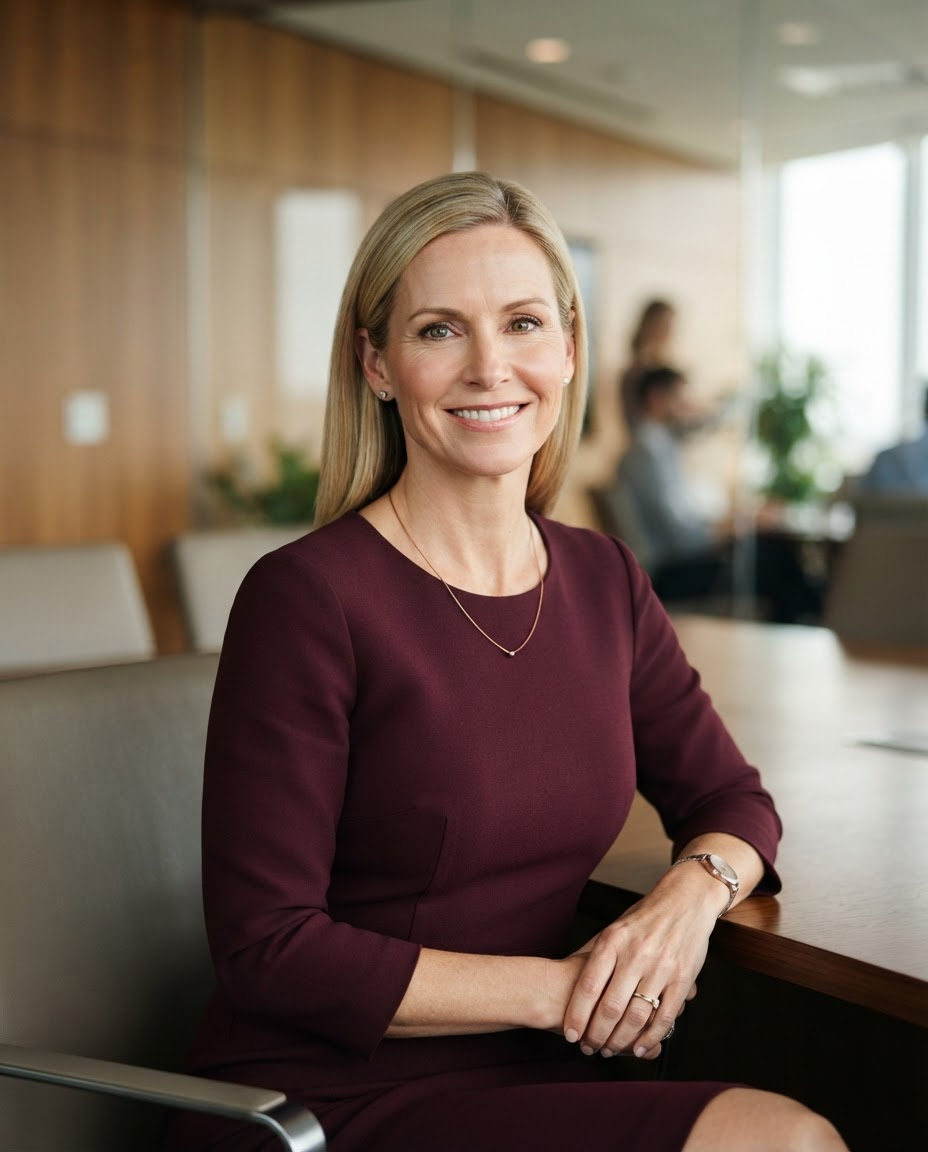
Client Delivery Lead
Claire runs engagements from Discover through Improve, keeping scope honest and gates meaningful. Clients consistently cite the same thing about working with her: they always know what is happening, what is next, and what it costs.

Change Enablement Consultant
Daniel works beside dispatchers, intake clerks, and store managers to make new systems part of the working day instead of an imposition. He writes the playbooks, runs the training, and measures adoption weeks after launch — not just on launch day.

Data Governance Specialist
Sophie builds the quiet machinery of trust: metric ownership, access entitlements, retention rules, and audit documentation. Healthcare and financial operations clients rely on her to make every automated decision reconstructable months later.
Team portraits are original generated images of fictional individuals, created for this illustrative company profile.
Tell us what is getting stuck. We will bring the right disciplines to the first conversation — architect, automation strategist, and delivery lead — not a sales deck.
Prefer to talk now? Call +16814999563.